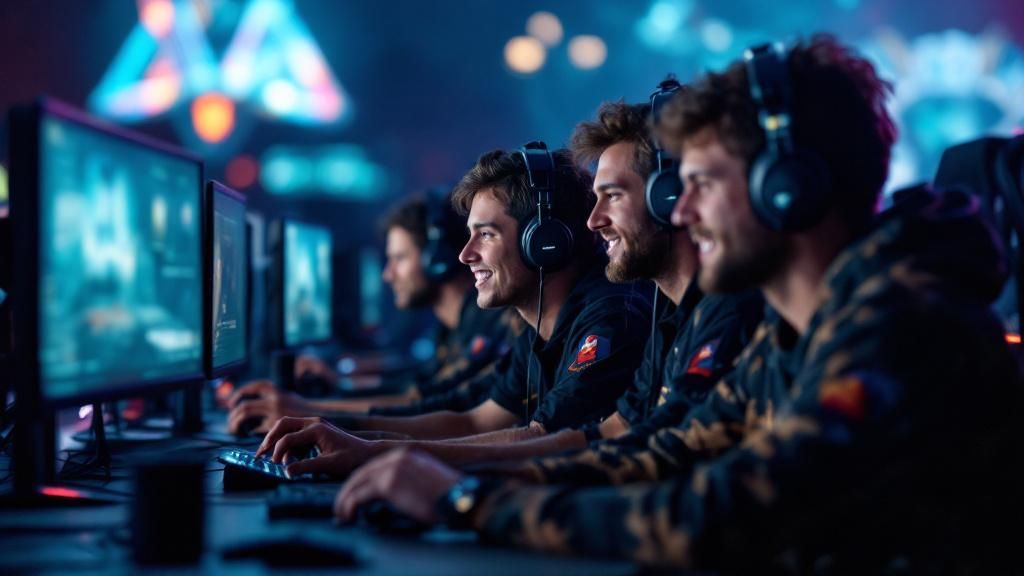

In an ever more connected world, gaming on mobile devices has gone beyond simple entertainment to function as a powerful catalyst for authentic interpersonal bonds. Competitive tournament play across gaming platforms like PUBG Mobile and Call of Duty: Mobile has cultivated flourishing worldwide communities where gamers forge meaningful friendships whilst battling for supremacy. This article examines how competitive gaming tournaments bring people together across different regions, examining the psychological bonds created by common interest, team-based cooperation, and the common ground of competition that converts casual gamers into lifelong companions.
The Expansion of Mobile Gaming Networks
The widespread growth of smartphones and better internet connectivity has revolutionised the gaming landscape, permitting millions of players worldwide to take part in competitive multiplayer experiences from almost any location. What commenced as simple casual gaming has developed into a complex ecosystem of coordinated groups, professional tournaments, and dedicated platforms. Mobile gaming communities have increased significantly, with titles such as PUBG Mobile, Clash Royale, and Call of Duty: Mobile engaging hundreds of millions of active players. This unprecedented scale has opened up unparalleled opportunities for player connection and competitive participation on a global scale.
These rapidly expanding communities have fundamentally changed how gamers interact and build relationships. Rather than solitary gameplay, mobile gaming now facilitates collaborative networks where players from varied geographic and cultural backgrounds gather around shared interests. Competitive formats, ranking boards, and tiered progression have formalised competitive play, creating defined pathways for advancement and recognition. The accessibility of mobile platforms has democratised competitive gaming, eliminating conventional obstacles to entry and enabling aspiring competitors to demonstrate their skills internationally. Consequently, friendships forged within these communities often go beyond virtual spaces, developing into genuine real-world friendships.
Creating Long-term Bonds Through Competitive Activities
Competitive tournament play serves as a notable catalyst for building authentic bonds amongst mobile gamers worldwide. When players compete alongside one another in organised tournaments, they experience shared triumphs and defeats that create profound emotional connections. These experiences transcend geographical boundaries, allowing individuals from different cultural backgrounds to relate at a basic level. The intensity of tournament play cultivates mutual respect and understanding between participants, transforming initial acquaintances into trusted teammates and enduring friends who mark triumphs as one and support one another through challenges.
The collective nature of team-based tournaments strengthens friendship development exponentially. Players must engage in clear communication, develop strategies collectively, and depend on each other’s abilities and knowledge. This interdependence cultivates loyalty and friendship that goes far past individual matches. Squad members build private banter, shared memories, and community connection within their gaming networks. The ongoing communication required for tournament preparation reinforces these relationships progressively, establishing friendship groups that provide emotional support, gaming companionship, and authentic bonds that many participants value as highly as their offline relationships.
Tournament victories and defeats alike add substantially to building friendships. Recognising successes collectively strengthens team unity, whilst managing defeats together develops durability and compassion. Players develop an appreciation for each other’s strengths, accommodate weaknesses, and work synergistically towards mutual aims. These joint experiences build a solid foundation for long-term friendships that commonly develop across multiple gaming titles and expand to broader life interactions, illustrating competition’s unique ability to bring people together genuinely.
Global Tournament Structures and Competitive Play
The structure of mobile esports competitions has changed substantially over the last ten years, creating complex organisational models that facilitate contests on an extraordinary international scope. Prominent gaming organisations and gaming studios have committed significant resources in developing structured league systems, area-based qualifying rounds, and worldwide tournaments that support vast numbers of competitors across the globe. These tournaments function across different divisions, from local amateur events to professionally sanctioned events delivering considerable prize money. The standardised formats guarantee impartial contests whilst permitting competitors across different regions to test themselves against each other, building a connection within the broader gaming ecosystem and showing that skill transcends borders and cultural differences.
Competitive tournament formats have proven to be instrumental in creating clear progression pathways for aspiring professional gamers and casual enthusiasts alike. Ranked seasons, ranking ladders, and performance-driven progression systems promote ongoing participation and personal improvement amongst players. The openness of competitive play—where gameplay statistics are shown to everyone and achievements are widely acknowledged—creates an environment of merit-based recognition that appeals to players seeking validation and recognition. Furthermore, the integration of live streaming platforms and viewing features has transformed mobile gaming tournaments into communal events, enabling vast audiences to witness exciting competitions whilst at the same time reinforcing the connections between players and fans who rejoice in wins and commiserate defeats together.
The Social Consequences of Structured Gaming Competitions
Organised gaming events have substantially altered how gamers view rivalry and collective participation. These competitive events serve as drivers of substantive engagement, surpassing geographical boundaries and cultural differences. When competitors engage on a international level, they experience a common sense of mission that reinforces personal connections. The formal design of structured competitions creates occasions that allow players to showcase their abilities while also earning recognition from competitors. This context fosters genuine friendships that frequently reach beyond the competitive sphere into daily existence, demonstrating that organised tournaments function as significant community bridges in the digital age.
The cascading impacts of these gaming events reach across entire communities, encouraging next-generation participants and creating mentors within the competitive gaming landscape. Professional tournaments streamed globally show that gaming carries genuine cultural value, inspiring players to invest emotionally in their communities. Players regularly indicate that event engagement has improved their confidence, communication skills, and ability to collaborate with diverse individuals. Moreover, the financial backing and journalistic focus surrounding major events validate gaming as a authentic cultural practice, inspiring relatives and peers to champion competitive players. This acknowledgement converts individual gaming pursuits into revered social events that deepen connections worldwide.
